July 1, 2026
Top-Dressing a Crop the Floater Can’t Reach
The wet-ground and tall-crop windows are where drone granular spreading earns its keep — not on a dry, square, easy field, but on the top-dress pass a floater cannot make in time.
What It Is
Top-dressing is applying more fertilizer to a crop that is already up and growing — a mid-season nitrogen boost when the stand and the moisture say the yield potential is there to feed. On dry, firm ground before the crop gets tall, a ground floater does this well and cheaply, and nobody should pretend otherwise.
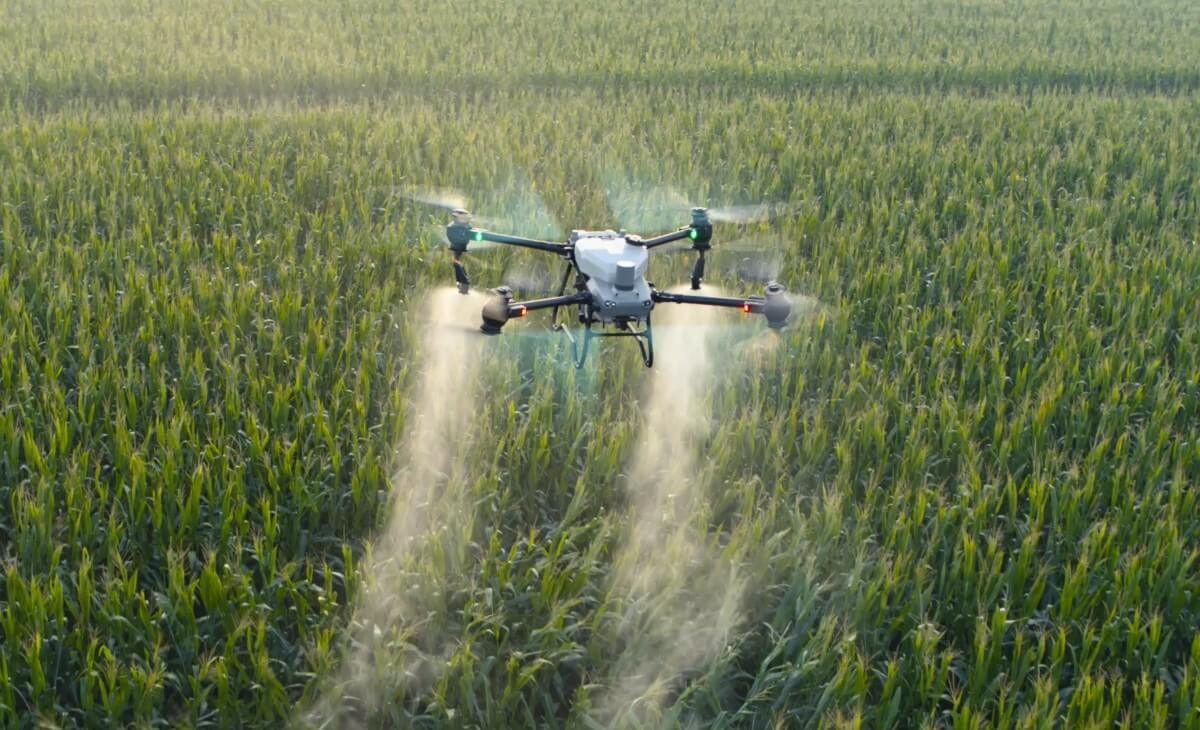
The problem is that the two moments a top-dress matters most are exactly the two moments a floater often can’t make the pass: when June rain has left the field too soft to carry a loaded truck without rutting, and when the crop has grown too tall to drive through without knocking it down. A drone puts no wheels on the field and does not touch the canopy, so it can spread granular product in both of those windows.
One thing to be precise about, because the word "application" gets used loosely: this is granular spreading of dry product — urea, blends, and micronutrients. It is not pesticide spraying. Spreading dry, non-pesticide granular fertilizer is a legal, established drone service in Canada today. Applying pesticides by drone is a separate matter, now under a narrow interim pathway following PMRA's June 2026 Letter of No Objection, which is not blanket approval. Everything on this page is about the spreading service.
Who It's For
Central Alberta grain and oilseed growers who have watched a fertility window close because the floater couldn’t get on the field. If you have ever left a top-dress unmade because a wet June kept the truck in the yard, or because the crop was already knee-high and driving it meant wheel-tracking the best acres, this is the service built for that gap.
It is not for everyone. If your top-dress is on dry, firm, square ground and the crop is still short, a floater is faster and cheaper per acre, and a straight operator will tell you to use it. The drone earns its place on the fields and the timing the floater cannot serve — wet corners, tall crop, odd-shaped land with point rows and slough margins.
How It Works
The value of a drone top-dress is mostly about timing, but the per-acre cost still comes from a handful of levers worth understanding:
- Rate (lb/ac). A drone hopper holds a fixed weight, so a heavier rate means more loads per acre and more flying time. A light micronutrient pass covers far more ground per load than a heavy nitrogen top-dress.
- Field logistics. Distance from the loading point to the field, road and water access, and how square the field is. A lot of short point rows and obstacles slows the effective rate.
- Flat-rate vs variable-rate. A flat broadcast is simplest. A variable-rate spread from a prescription map costs a little more to set up but can pull rate off the zones that cannot use the nitrogen — useful on the variable land where a top-dress decision is hardest.
- Mobilization. Like any custom operator, a drone spread carries a travel and setup component that is amortized over the acres on the booking, so grouped or larger bookings carry a lower per-acre share.
The real comparison is almost never drone-versus-floater on a dry day. It is a top-dress that lands now versus one that lands three weeks late, or never, because the ground stayed wet or the crop got away. A nitrogen pass that reaches the crop inside its uptake window is worth more than one that arrives cheap but too late to move yield.
Key Dates
- Wet-ground window:Any time the floater cannot carry the field
- Tall-crop window:In-season, once the crop is too tall to drive through
- Booking lead time:Book ahead of the window; rush slots when available
- Cost reference:$10–15/ac typical AB custom rate; ~$4.50/ac drone operating cost
- Related service:UAV AG fertilizer spreading
How UAV AG Can Help
For an in-season top-dress, UAV AG delivers more than a drone showing up on a wet day:
- →A pan-tested, calibrated spread pattern for the specific granular product and rate, so the field comes up even and not striped.
- →Flat-rate or variable-rate from a prescription map, including an NDVI flight first when zone data does not already exist.
- →A georeferenced as-applied record of where product actually landed, for your own records and any 4R or funding documentation.
- →Honest scoping: if your field is dry and firm and the crop is still short, we will tell you a floater is the cheaper tool before you book.
A Note From Us
The cheapest top-dress is not the one with the lowest per-acre fee — it is the one that actually reaches the crop while the crop can still use it. A drone is not trying to replace your floater on dry, firm, easy ground. It exists for the wet corner and the tall crop, the two windows where the ground rig is parked and the fertility decision is slipping away.
For what a granular spread costs and what drives the number, see our companion article on drone fertilizer spreading cost per acre and the head-to-head on drone spreading vs a ground floater. For where granular spreading and pesticide application by drone stand under Canadian rules, see granular vs liquid application.
Frequently asked questions
Can a drone top-dress fertilizer on wet ground a floater can’t reach?
Yes. That is the core case for it. A drone puts no wheels on the field, so it can spread granular fertilizer on ground too soft to carry a loaded floater without rutting. Spreading dry, non-pesticide granular product — including nitrogen top-dress — is a legal, established drone service in Canada today.
Is drone fertilizer top-dressing legal in Canada?
Yes, for granular fertilizer. Spreading dry, non-pesticide granular product is legal and available now. Granular fertilizer is not a pesticide, so a top-dress spread is squarely within the legal drone service, separate from pesticide application by drone (now under a narrow interim pathway following PMRA's June 2026 Letter of No Objection, not blanket approval).
Why use a drone instead of a floater for top-dressing?
Only when the floater cannot make the pass in time — wet ground it would rut, or a crop grown too tall to drive through without wheel-tracking it. On dry, firm, short-crop ground a floater is faster and cheaper per acre, and we will say so. The drone wins on access and timing, not on raw per-acre cost.
What does a drone top-dress cost per acre in Alberta?
As a reference, typical Alberta custom application runs $10 to $15 per acre and a drone’s operating cost is about $4.50 per acre before aircraft and mobilization, so a drone spread prices in a band comparable to a custom floater pass. The actual fee depends on rate (lb/ac), field logistics, flat-rate vs variable-rate, and mobilization; a short scoping call with your acres, rate, and location produces an accurate number.
Can a drone top-dress at a variable rate?
Yes. With a prescription map loaded, the drone changes its granular rate by management zone as it flies, using GNSS to know which zone it is over. If you do not already have zone data, an NDVI flight can build the prescription first. This is useful on the variable land where an in-season nitrogen decision is hardest to make with a flat rate.
How tall can the crop be for a drone top-dress?
Crop height is not the limit for a drone the way it is for a floater — the drone flies above the canopy and never drives through it, so a tall standing crop is exactly the situation where it has the advantage. The pass is planned so the spread pattern stays even over the canopy; the constraint is wind and pattern calibration, not crop height.