July 1, 2026
Drone Granular Spreading vs a Ground Floater in Alberta
An honest head-to-head on cost, compaction, and timing — including the fields where the floater is simply the better tool and you should use it.
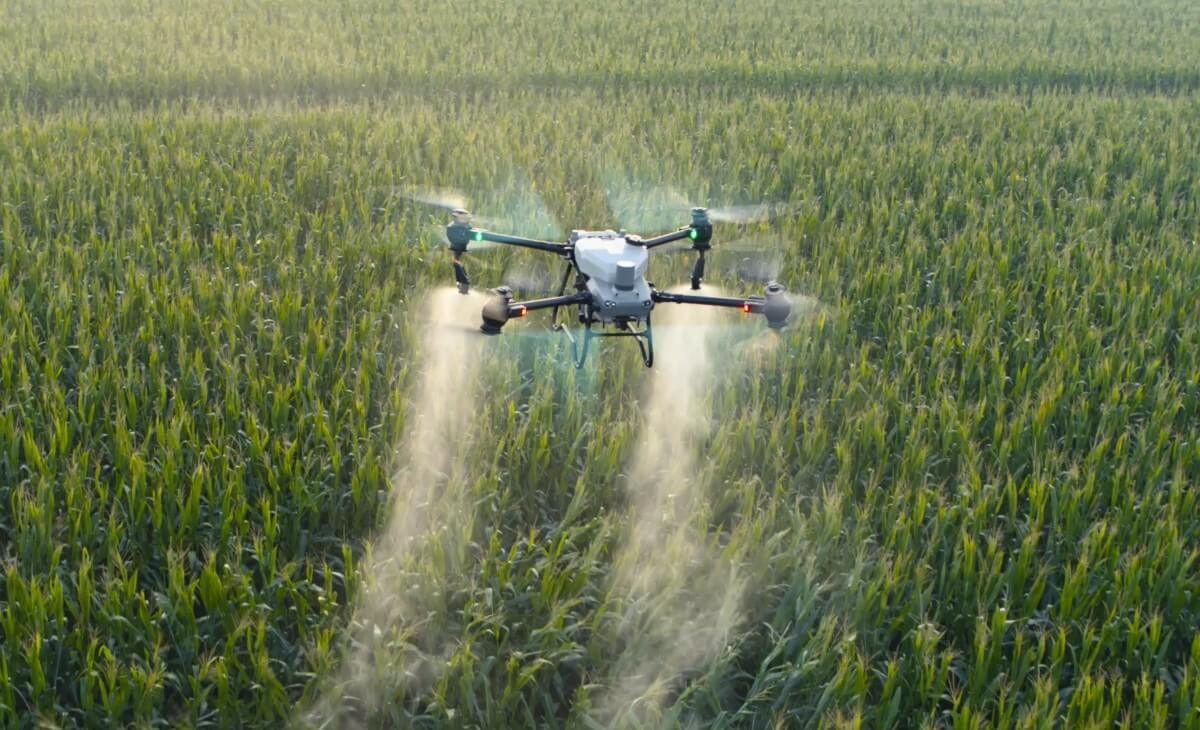
What It Is
If you need to broadcast dry granular product — fertilizer, or cover-crop and forage seed — across an Alberta field, there are two practical custom options: a ground floater (a high-clearance spreader truck) or a heavy-lift drone with a spreading hopper. Both throw the same dry product across the field on a calibrated pattern. The difference is what carries the spreader over the ground, and that single difference decides most of the comparison.
Two things worth stating up front. First, this is about granular spreading of non-pesticide product, the legal drone service in Canada today; pesticide application by drone is a separate matter, now under a narrow interim pathway following PMRA's June 2026 Letter of No Objection, and is not what this compares. Second, this is not a sales pitch for the drone. On a lot of Alberta ground the floater is the right answer, and the honest comparison below says so plainly.
Who It's For
Growers deciding how to get a specific granular pass done — a nitrogen top-dress, a fall or spring fertilizer broadcast, or a cover-crop seeding — and weighing a custom drone pass against a custom floater or their own rig. It is also for anyone who has been told "drones replace floaters" and wants the version with the trade-offs left in.
How It Works
Here is the honest head-to-head on the factors that actually decide it:
| Factor | Drone granular spreading | Ground floater |
|---|---|---|
| Best ground | Wet, soft, odd-shaped, sloped, point rows | Dry, firm, large, square |
| Soil compaction | None — no wheels on the field | Adds wheel-track compaction |
| Standing / tall crop | Flies above it, no crop damage | Cannot enter without wheel-tracking |
| Wet ground | Goes where a truck would rut | Limited — can rut or get stuck |
| Speed on big flat acres | Slower per acre | Faster per acre |
| Cost on easy ground | Priced like custom application | Usually cheapest per acre |
| Variable-rate | Yes, from a prescription map | Yes, on VR-equipped rigs |
| As-applied record | Georeferenced log of the pass | Depends on the rig |
The two levers that decide it are compaction/access and raw throughput. On big, dry, square, uniform acres the floater covers ground fast and cheap and its wheel tracks are a minor cost — it wins. Where the drone earns its place is the ground the floater struggles with: fields too wet to carry equipment, a crop too tall to drive through, rolling or odd-shaped fields full of point rows, and any pass where avoiding compaction on soft soil actually matters to the next crop.
On cost, plainly. For reference, custom ground application in Alberta typically runs $10 to $15 per acre — the going custom rate the UAV AG ROI calculator uses as its baseline — and the drone’s own operating cost works out to about $4.50 per acre before aircraft amortization and mobilization. So a custom drone spread is priced in a band broadly comparable to a custom floater pass, not at some wild premium. On easy ground the floater still tends to come out ahead per acre because it covers acres faster. The drone is not trying to beat it there. The comparison that matters is drone-now versus floater-too-late-or-not-at-all on the fields and timing windows the floater cannot serve.
Key Dates
- Where the drone wins:Wet ground, tall crop, odd-shaped or sloped fields
- Where the floater wins:Big, dry, square, uniform acres
- Cost reference:$10–15/ac typical AB custom rate; ~$4.50/ac drone operating cost
- ROI calculator:UAV AG spreading ROI
How UAV AG Can Help
For a granular spreading job, UAV AG scopes it straight rather than defaulting to the drone:
- →A calibrated, pan-tested spread pattern for the specific granular product and rate, so the field comes up even and not striped.
- →Flat-rate or variable-rate from a prescription map, with an NDVI flight first if zone data does not already exist.
- →A georeferenced as-applied record of where product actually landed, for your records and any funding documentation.
- →Honest scoping: if a floater is the better and cheaper tool for your field, we will say so before you book — the drone is for the acres a floater cannot serve well.
A Note From Us
A drone does not make a floater obsolete, and any operator who tells you it does is selling. On dry, firm, square Alberta acres the floater is fast, cheap, and its compaction is a minor cost. What the drone changes is the set of fields you no longer have to skip or delay: the wet corner, the tall crop, the sloped and odd-shaped land where a truck is slow or leaves ruts.
As a cost reference, typical Alberta custom application runs $10 to $15 per acre and a drone’s operating cost is about $4.50 per acre before aircraft and mobilization, so the per-acre band is comparable — which means the deciding factor is usually access, compaction, and timing rather than the fee alone.
For what drives the per-acre number, see drone fertilizer spreading cost per acre. For the top-dress case specifically, see top-dressing a crop the floater can’t reach. For the legality line between spreading and spraying, see granular vs liquid application.
Frequently asked questions
Is drone spreading cheaper than a ground floater in Alberta?
Not usually on easy ground. As a reference, typical Alberta custom application runs $10 to $15 per acre and a drone’s operating cost is about $4.50 per acre before aircraft and mobilization, so the per-acre band is broadly comparable — but a floater covers big, dry, square acres faster, so it tends to win on cost there. The drone’s advantage is access and timing on ground a floater cannot serve, not a lower fee on easy fields.
When does a drone beat a floater for spreading?
On wet ground a floater would rut, on a crop grown too tall to drive through, on rolling or odd-shaped fields with point rows and slough margins, and wherever avoiding wheel-track compaction on soft soil matters to the next crop. On big, flat, dry, uniform acres a floater is usually the more economical tool.
Does a drone avoid soil compaction?
Yes. A drone puts no wheels on the field, so it adds no wheel-track compaction — which is one of its clearest advantages over a floater on soft or wet soil, and on high-value ground where compaction carries into the next crop.
Can a drone match a floater on big flat fields?
On raw throughput, no — a floater covers large, dry, square acres faster per hour, so it is typically the cheaper choice there. A drone is not trying to replace the floater on that ground; it is for the wet, tall-crop, and odd-shaped fields the floater handles poorly or not at all.
Is granular spreading by drone legal in Canada?
Yes. Spreading dry, non-pesticide granular product — fertilizer, cover-crop and forage seed — is an established, legal drone service in Canada today. Pesticide application by drone is a separate matter, now under a narrow interim pathway following PMRA's June 2026 Letter of No Objection (not blanket approval). This comparison is about non-pesticide granular spreading only.
Can both a drone and a floater do variable-rate?
Yes. A VR-equipped floater and a spreader-equipped drone can both follow a prescription map and change rate by management zone. The difference is access: the drone can run that variable-rate pass on wet, tall-crop, or odd-shaped ground where the floater cannot go.