May 23, 2026
Health Canada Just Proposed Letting Drones Spray Any Aerial-Registered Pesticide
What PMRA's PRO2026-01 proposal means for Alberta farmers , and what is still gated by Transport Canada.
What It Is
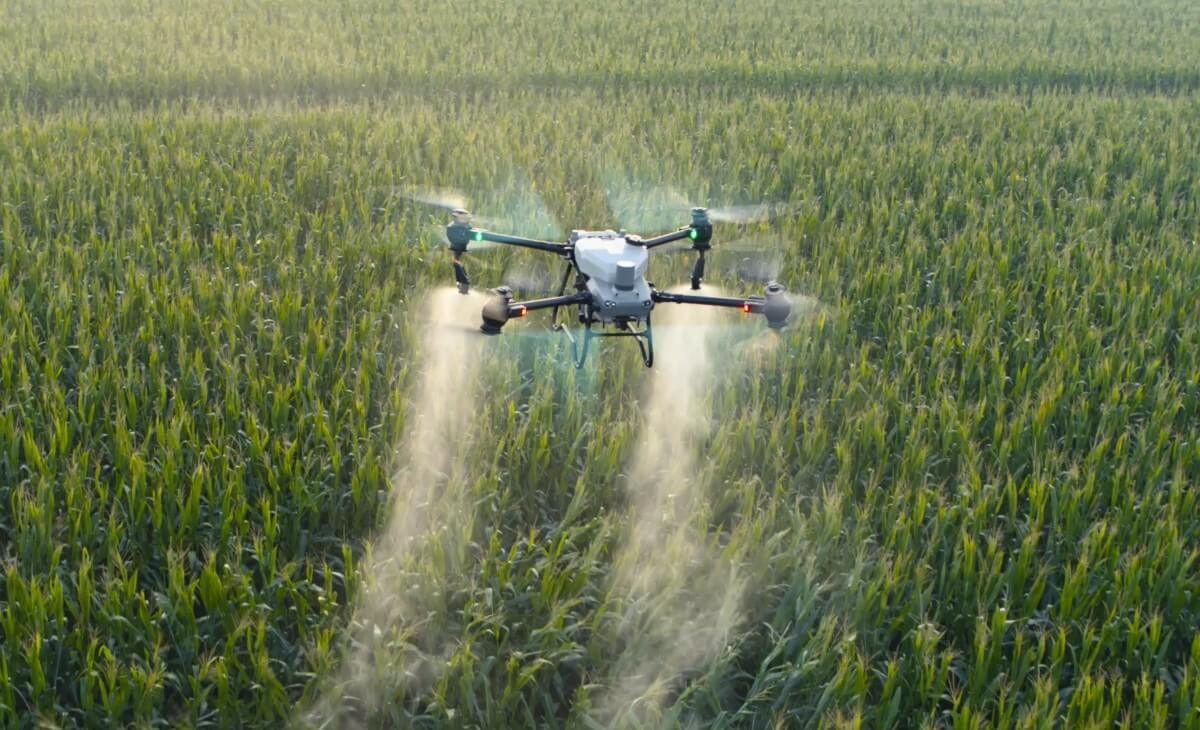
On February 23, 2026, Health Canada's Pest Management Regulatory Agency (PMRA) opened public consultation on Regulatory Proposal PRO2026-01. The consultation closed March 25, 2026. The proposal is short and consequential: any pesticide currently registered for conventional aerial application , Cessna, AT-502, helicopter , would be legally applicable by drone (RPAS) under the same label, with no new drone-specific registration required.
That is a class change, not a tweak. Before June 2026, a drone could only legally spray a pesticide if the label explicitly said RPAS — very few did. As of June 2026, PMRA's interim Letter of No Objection opened a narrow, label-bound pathway: a pesticide already registered for conventional aerial application can now be drone-applied under those same label directions, ahead of the full PRO2026-01 class change described below. See our update on the interim pathway for what changed.
The unlock came from PMRA's own science. Per the proposal text, spray drift from RPAS behaves more like a ground sprayer than a crop duster, and residues on food crops are not higher than conventional application. That is the technical finding that let PMRA fold RPAS into existing aerial labels instead of building a parallel registration track.
Who It's For
Every commercial Alberta grower applying anything by air today, and every grower who has been priced out of aerial because of minimum-acre thresholds or short windows. Canola, wheat, pulses, potatoes , if the chemistry is on an aerial label, the proposal puts it in scope for drone application the day it finalizes.
If you have been using a custom aerial applicator for fungicide passes during sclerotinia season or insecticide passes during a flush, this rule shifts the economics. Drones do not need an airstrip, do not have a 100-acre minimum, and can fly through a much wider weather window than fixed-wing aerial.
How It Works
The Canadian regulatory stack for drone spraying has two regulators. PRO2026-01 only moves one of them. Here is what does and does not change:
- PMRA / Health Canada (chemistry side) , changing. Today: pesticide can be drone-applied only if the label lists RPAS. After PRO2026-01: any pesticide with an aerial-application label is in scope for drone application under the same label directions.
- Transport Canada (aviation side) , unchanged by this proposal. You still need an RPAS pilot certificate appropriate to the operation. Spray operations that exceed Standard or Advanced RPAS limits (heavier than 25 kg, beyond visual line of sight, etc.) still require a Special Flight Operations Certificate (SFOC). Transport Canada's March 2025 amendment (SOR-2025-70) already expanded the BVLOS framework, which is the relevant aviation backdrop.
- Provincial applicator licensing , unchanged. In Alberta, the person triggering the spray still needs the provincial pesticide-applicator certificate, same as for any commercial spray.
- Label directions , still binding. Water volumes, buffer zones, nozzle specifications, and wind limits stay enforceable. The proposal does not give drones a discount on label compliance; it just makes drones a legal carrier.
Key Dates
- PMRA consultation opened:February 23, 2026
- PMRA consultation closed:March 25, 2026
- PRO2026-01 proposal text:canada.ca
- Expected final rule:Summer 2026
How UAV AG Can Help
Here is how we are helping growers prepare for the summer rule window:
- →Pre-position spray drone inventory (DJI Agras T50 and T100) so a confirmed booking does not depend on import lead time once the rule finalizes.
- →Track which aerial-labeled products are in your typical rotation and flag which ones will be in-scope on day one of the new rule.
- →Coordinate the Transport Canada and Alberta applicator side of the paperwork , pilot certification, SFOC where required, provincial licensing , so the chemistry side is the only thing waiting on PMRA.
- →Hold pricing transparency on per-acre drone spray rates so the economics versus your existing custom aerial applicator are clear before you commit.
A Note From Us
This is the regulatory unlock the Canadian drone-spray industry has been waiting on. Trade press , CBC, Western Producer, Farmtario, Manitoba Co-operator , all ran the "Canada is dragging feet" frame in the lead-up. CropLife Canada and CAAR both endorsed the consultation publicly. The political and industry momentum is one direction.
That said, the full class-change rule is not final yet — what has landed so far is the June 2026 interim Letter of No Objection, a narrower, label-bound pathway rather than the complete rule described above. Aerial applicators flagged real concerns about water volumes and droplet size at smaller payloads, and PMRA is still working through them. We will update this page as PMRA publishes the final text.
If you want to be ready to spray legally the week the rule drops, talk to us now about platform selection and the Transport Canada paperwork.
Frequently asked questions
What is PMRA Regulatory Proposal PRO2026-01?
PRO2026-01 is Health Canada's proposal to allow drones (Remotely Piloted Aircraft Systems, or RPAS) to apply any pesticide currently registered for conventional aerial application, under the existing aerial label. Consultation ran February 23 to March 25, 2026. The final rule is expected in summer 2026.
Can I legally drone-spray pesticides in Canada today?
As of June 2026, yes for a narrower set of products: PMRA's interim Letter of No Objection permits drone application of pesticides already registered for conventional aerial application, under those label directions. It is not blanket approval — see our interim pathway update. The full PRO2026-01 rule, once final, would expand that to any aerial-registered product.
Does PRO2026-01 change Transport Canada drone rules?
No. PRO2026-01 is a Health Canada / PMRA proposal that addresses the chemistry side only. Transport Canada still regulates the aviation side: pilot certification, RPAS operating category, and Special Flight Operations Certificates (SFOCs) for operations beyond standard limits.
Do I still need an Alberta pesticide applicator licence to drone-spray?
Yes. Provincial applicator licensing is independent of the federal PMRA rule. In Alberta, the person responsible for the spray still needs the appropriate provincial pesticide-applicator certificate, same as for a ground or fixed-wing aerial operation.
When will the final PMRA rule be published?
Trade press coverage (RealAgriculture, Western Producer) expects finalization in summer 2026. UAV AG will update this resource page when the final text is published and confirm exactly which products are in-scope on day one.
Will drone spraying replace custom aerial applicators in Alberta?
For most jobs, drones complement rather than replace fixed-wing aerial. Drones win on flexibility (no airstrip, no minimum acreage, wider weather window) and on canopy penetration via downwash. Fixed-wing aerial still has the cost advantage on large contiguous acres. The PRO2026-01 rule expands the choice set rather than eliminating one option.