June 17, 2026
Spray Drones Just Moved a Big Step Closer in Canada
In June 2026 Health Canada handed the drone-spray industry an interim green light. Here is what the Letter of No Objection actually unlocks, and what is still pending.
What It Is
Through the spring of 2026 the headline question was whether Health Canada would let drones spray pesticides at all. As of June 2026 the answer moved from "proposed" to "starting, on an interim basis."
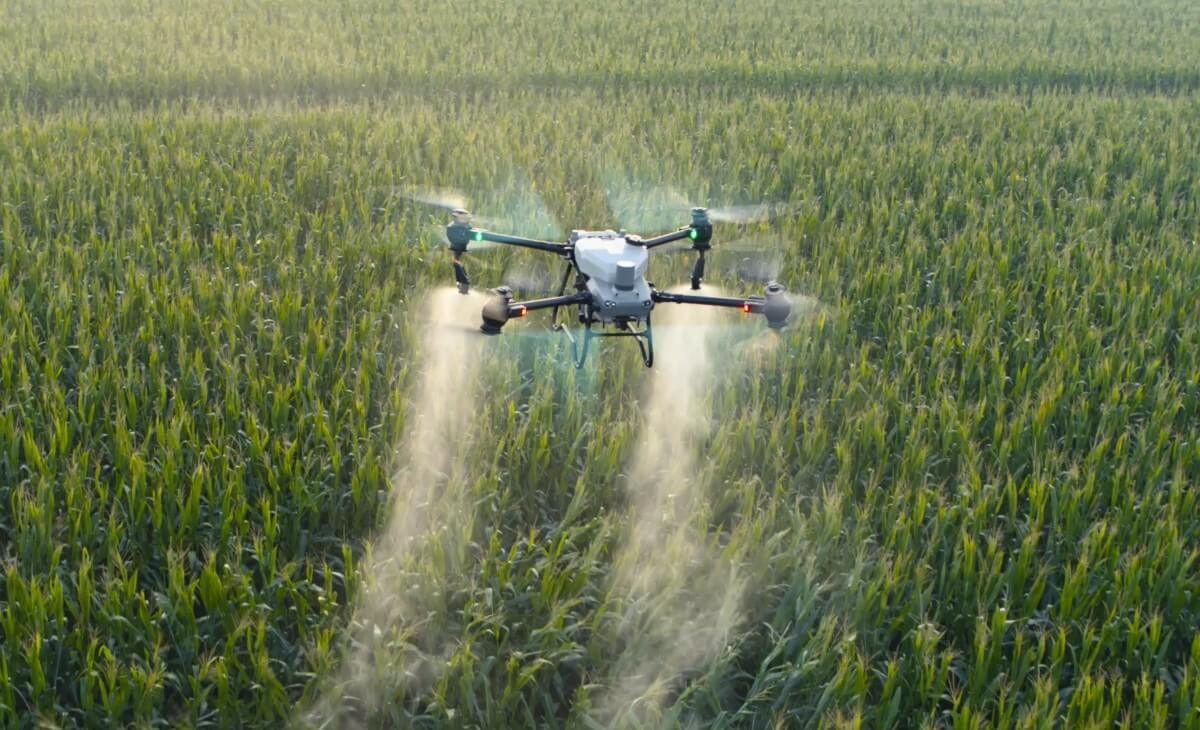
The Pest Management Regulatory Agency (PMRA) issued a Letter of No Objection (NoO) to the Canadian Agricultural Drone Association (CADA). In plain terms, it opens a narrow interim pathway: a pesticide that already carries conventional aerial-application directions on its label can be applied by drone (RPAS) under those same directions, while the broader PRO2026-01 rule is still being finalized.
This is not the final rule, and it is not a blanket approval of "drone spraying." It is an interim, label-bound pathway. The product has to already be registered for aerial application, the registrant must not have opted the product out, and every other rule , aviation, provincial licensing, label directions , still applies. But after years of "Canada is behind," it is the first concrete step from proposal to practice.
Who It's For
Alberta and Prairie growers who already apply crop protection by air, or who have been priced out of fixed-wing aerial by minimum-acre thresholds and short weather windows.
If you run canola, wheat, or pulses and you have used a custom aerial applicator for a fungicide or insecticide pass, this interim pathway is the one to watch. It does not turn every farm into a legal drone-spray operation overnight, but it tells you the regulatory direction is set , and that getting the aviation and applicator paperwork in order now is no longer premature.
How It Works
The Canadian drone-spray stack still has multiple gates. The June NoO moves one of them part-way. Here is what does and does not change:
- PMRA / Health Canada (chemistry side) , partially open. The interim Letter of No Objection allows drone application of products that already carry conventional aerial-application label directions, under those directions. The full PRO2026-01 class change is still working toward a final rule.
- Product label must already be aerial-registered. If the product is not registered for conventional aerial application, the interim pathway does not cover it. And a registrant can opt a product out by adding "DO NOT apply by RPAS" to the label.
- Transport Canada (aviation side) , unchanged. You still need the appropriate RPAS pilot certificate. Operations beyond Standard or Advanced limits (over 25 kg, beyond visual line of sight) still need a Special Flight Operations Certificate (SFOC).
- Provincial applicator licensing , unchanged. In Alberta the person responsible for the spray still needs the provincial pesticide-applicator certificate, same as any commercial spray.
- Label directions , still binding. Water volumes, buffer zones, droplet size, and wind limits remain enforceable. The pathway makes the drone a legal carrier; it does not relax label compliance.
Key Dates
- PMRA consultation closed:March 25, 2026
- Interim Letter of No Objection:June 2026
- RealAgriculture coverage:realagriculture.com
- PRO2026-01 proposal text:canada.ca
- Trade coverage:Manitoba Co-operator
- Expected final PRO2026-01 rule:Summer 2026
How UAV AG Can Help
We are helping growers get genuinely ready instead of waiting for the final rule to drop:
- →Run your acres and current method through our spray-readiness calculator so you know what an approved drone-spray pass could mean for your timing windows and field-days before you commit to anything.
- →Flag which products in your typical rotation already carry aerial-application label directions , the ones most likely to be in-scope first , and which have been opted out.
- →Coordinate the Transport Canada and Alberta applicator paperwork , pilot certification, SFOC where required, provincial licensing , so the chemistry side is the only thing left waiting.
- →Pre-position spray-ready DJI Agras platforms (T50, T100) so a confirmed operation does not depend on import lead time once the rule finalizes.
A Note From Us
This is the step the Canadian drone-spray industry has been waiting on. The interim Letter of No Objection does not mean "spray whatever you want by drone tomorrow" , it is narrow, label-bound, and still sits under Transport Canada and provincial rules. We are being careful not to oversell it, because the fastest way to lose a licence is to fly ahead of the rules.
What it does mean: the direction is set, and the gap between "proposed" and "legal" is closing. For the underlying proposal and the two-regulator breakdown, see our companion explainer, PMRA's PRO2026-01 drone-spraying proposal (/resources/pmra-drone-spraying-canada-2026/). We will update both pages as PMRA publishes the final rule.
If you want to be ready to operate legally the week the rule finalizes, talk to us now about platform selection and the aviation paperwork.
Frequently asked questions
Is drone spraying legal in Canada now?
Not as a blanket approval. As of June 2026, Health Canada’s PMRA issued an interim Letter of No Objection that opens a narrow pathway for applying products already registered for conventional aerial application by drone, under those same label directions. The broader PRO2026-01 rule is still being finalized, and Transport Canada aviation rules plus provincial applicator licensing still apply.
What is a Letter of No Objection (NoO)?
It is a regulatory signal from Health Canada’s Pesticide Risk Reduction / registration side indicating it does not object to an interim practice , here, applying aerial-labeled products by RPAS , while the formal rule is finalized. It is interim and conditional, not the final regulation.
Which products are covered by the interim pathway?
Only products that already carry conventional aerial-application directions on their registered label, and only where the registrant has not opted the product out with a "DO NOT apply by RPAS" statement. Products with no aerial label are not covered.
Do I still need Transport Canada certification and an Alberta applicator licence?
Yes. The June pathway addresses the chemistry side only. You still need the appropriate RPAS pilot certificate (and an SFOC for operations beyond standard limits), and in Alberta the person responsible for the spray still needs the provincial pesticide-applicator certificate.
When is the final PRO2026-01 rule expected?
Trade coverage points to summer 2026. UAV AG will update this page and our PRO2026-01 explainer when the final text is published, and confirm which products are in-scope on day one.
What should an Alberta farmer do right now?
Get the aviation and applicator paperwork moving, confirm which of your rotation products are aerial-labeled, and choose a spray-ready platform so you are not waiting on import lead times. Our spray-readiness calculator gives you a quick read on the timing and field-day impact for your acreage.