June 25, 2026
Drone Cover-Crop Seeding vs Broadcast-and-Harrow in Alberta
Two ways to get a cover crop established without a seed drill — flown on by drone, or broadcast on the ground and harrowed in. An honest decision comparison for Central Alberta.
What It Is
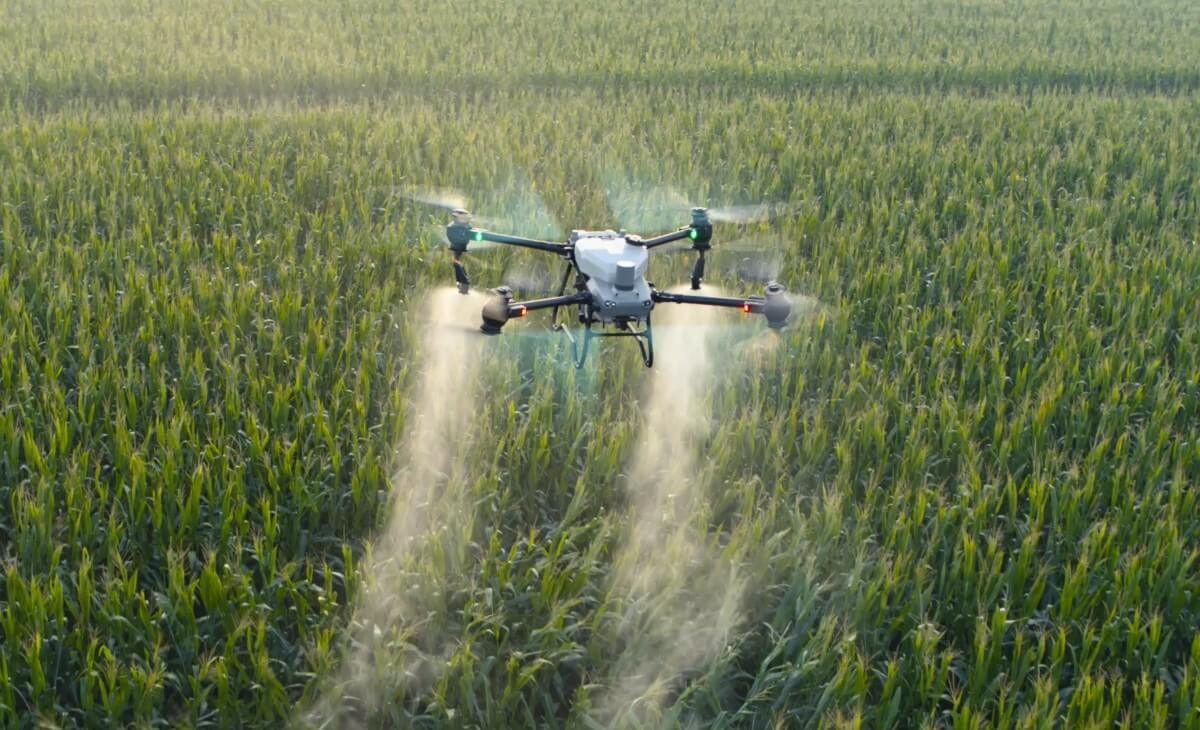
If you are not running a seed drill — because the cash crop is still standing, the ground is wet, or you just want a fast post-harvest pass — there are two practical ways to establish a cover crop: fly the seed on with a drone, or broadcast it on the ground with a spreader and harrow it in.
Both are "broadcast" methods: the seed lands on the surface rather than being placed at depth by an opener. The difference is what carries the seed and what happens to it after it lands. A drone spreads granular seed from the air on a calibrated pattern and leaves it on the surface. Broadcast-and-harrow uses a ground spreader (or air-seeder in broadcast mode) and then a harrow pass to scratch the seed into shallow soil contact.
Both are granular-spreading jobs, which is the legal drone service in Canada today — this comparison is about seed and establishment, not about pesticides.
Who It's For
Central Alberta grain and oilseed growers adding a cover crop to the rotation — into standing crop before harvest, or immediately after — who do not want to commit a drill pass to it. It is also for growers weighing whether to buy or hire either method, and for anyone building toward an OFCAF cover-crop plan who needs to choose an establishment method.
How It Works
Here is the honest head-to-head on the factors that actually decide it:
| Factor | Drone seeding | Broadcast-and-harrow |
|---|---|---|
| Seed placement | On surface, even calibrated pattern | On surface, then scratched in by harrow |
| Soil-to-seed contact | Relies on rain/dew (no incorporation) | Better — harrow gives shallow contact |
| Soil disturbance | None | Light tillage from the harrow pass |
| Into standing crop | Yes — can fly on before harvest | No — needs an open field to drive |
| Wet / soft ground | Yes — no wheels on the field | Limited — ground rig can rut or get stuck |
| Field shape | Handles odd shapes, point rows, sloughs | Best on large, square, dry fields |
| Compaction | None | Adds a wheel pass |
| Speed on big flat acres | Slower per acre | Faster per acre |
| Cost reference | Priced like a custom spread | Often cheapest if you already own the rig |
The single biggest agronomic difference is incorporation. A harrow gives the seed shallow soil contact, which helps germination in a dry spell. A drone leaves seed on the surface, so it leans more on timely rain or dew to establish — which is exactly why drone seeding is often timed to fly into a standing crop, so the seed drops into a moist, shaded canopy and gets a head start before harvest opens the field up.
Key Dates
- Drone window:Into standing crop (pre-harvest) or post-harvest on wet ground
- Broadcast-and-harrow window:Open field, drivable ground, after harvest
- OFCAF tie-in:Cover-crop seeding may be OFCAF-eligible
- Cost reference:$10–15/ac typical AB custom rate; ~$4.50/ac drone operating cost
How UAV AG Can Help
UAV AG helps growers pick the establishment method honestly, not just sell the drone pass:
- →Calibrated, pan-tested spread pattern for the specific cover-crop seed so the stand comes up even, not striped.
- →Timing advice on flying into a standing crop versus a post-harvest pass, based on your moisture and harvest timeline.
- →A georeferenced as-applied record of the seeding pass for your records and OFCAF documentation.
- →Straight talk: on a large, square, dry field with a harrow already in the yard, broadcast-and-harrow is often the cheaper and better-establishing choice, and we will say so.
A Note From Us
Neither method is universally better. Broadcast-and-harrow usually establishes a cover crop more reliably in a dry spell because the harrow puts seed in contact with soil — and if you already own the spreader and harrow, it is hard to beat on cost for a big, dry, square field.
Where the drone wins is access and timing: flying seed into a standing crop weeks before harvest, or seeding wet ground a ground rig would rut, or covering odd-shaped fields full of point rows and slough margins. As a cost reference, typical Alberta custom application runs $10 to $15 per acre and a drone's operating cost is about $4.50 per acre before aircraft and mobilization, so a drone pass prices in a band comparable to other custom work — the deciding factor is usually access and timing, not the per-acre fee alone.
For the broader spreading picture, see granular vs liquid application and our fertilizer spreading service.
Frequently asked questions
Does drone-seeded cover crop establish as well as broadcast-and-harrow?
In a moist spell, both establish well. In a dry spell, broadcast-and-harrow usually has the edge because the harrow gives seed shallow soil contact, while drone-seeded seed sits on the surface and leans on rain or dew. That is why drone seeding is often flown into a standing crop, where the seed drops into a moist, shaded canopy before harvest opens the field.
When does drone cover-crop seeding clearly beat broadcast-and-harrow?
When you want to seed into a standing crop before harvest, when the ground is too wet or soft to drive a ground rig without rutting, and on odd-shaped or rolling fields with point rows and slough margins where a ground rig is slow and leaves skips. The drone puts no wheels on the field.
When is broadcast-and-harrow the better choice?
On large, square, dry fields where a ground rig moves fast and the harrow improves establishment — especially if you already own the spreader and harrow, which makes it hard to beat on cost. We will tell you when this is the better tool for your field.
What does drone cover-crop seeding cost in Alberta?
As a reference, typical Alberta custom application runs $10 to $15 per acre, and a drone’s operating cost is around $4.50 per acre before aircraft and mobilization — so a drone seeding pass is priced in a band comparable to other custom work. The actual fee depends on seeding rate, field logistics, and mobilization; a short call with your acres, rate, and location produces an accurate per-acre price.
Is cover-crop seeding by drone legal in Canada?
Yes. Spreading dry granular product — including cover-crop and forage seed — is an established, legal drone service in Canada today. Cover-crop seed is not a pesticide, so this is squarely within the legal drone service, separate from pesticide application by drone (now under a narrow interim pathway following PMRA's June 2026 Letter of No Objection).
Can cover-crop seeding qualify for OFCAF?
Cover cropping is the practice OFCAF is built around, and drone purchases tied to cover-crop seeding became eligible for the 2026 cycle. A custom seeding pass is a service rather than an equipment purchase, but if you are building toward your own cover-cropping program the OFCAF tie-in is worth scoping. See our OFCAF articles for the program detail.