August 11, 2026
When to Fly Cover-Crop Seed On: Timing, Rates and the Records That Matter
The hardest part of establishing a cover crop in Central Alberta is not the machine — it is the calendar. Here is how the two flying windows actually work, what changes about your rate when seed lands on the surface, and what to keep for your OFCAF file.
What It Is
A cover crop only pays if it establishes. In Central Alberta the thing that decides establishment is almost never the spreader — it is how many growing days and how much moisture the seed gets after it lands.
That makes timing the real decision. Flying seed on with a drone opens a window that ground equipment simply cannot reach: into a standing crop, before the combine ever enters the field. It also handles the wet post-harvest pass where a ground rig would rut. But those are two different jobs, with different reasons to choose them and different expectations for what the stand will look like.
This article is about picking the window. If you are still deciding between flying the seed on and broadcasting it with a ground spreader and harrow, start with the head-to-head comparison instead — this one assumes you have already decided a drone pass fits, and you are working out when to book it.
Who It's For
Central Alberta grain and oilseed growers adding a cover crop to the rotation, particularly anyone who has tried a post-harvest cover crop, watched it barely come up before freeze-up, and concluded cover crops "do not work here."
Often the practice was fine and the date was wrong. It is also for growers whose cover-crop acres are tied to a funding claim, where the seeding record matters as much as the stand.
How It Works
There are two windows worth flying, and one that is usually too late.
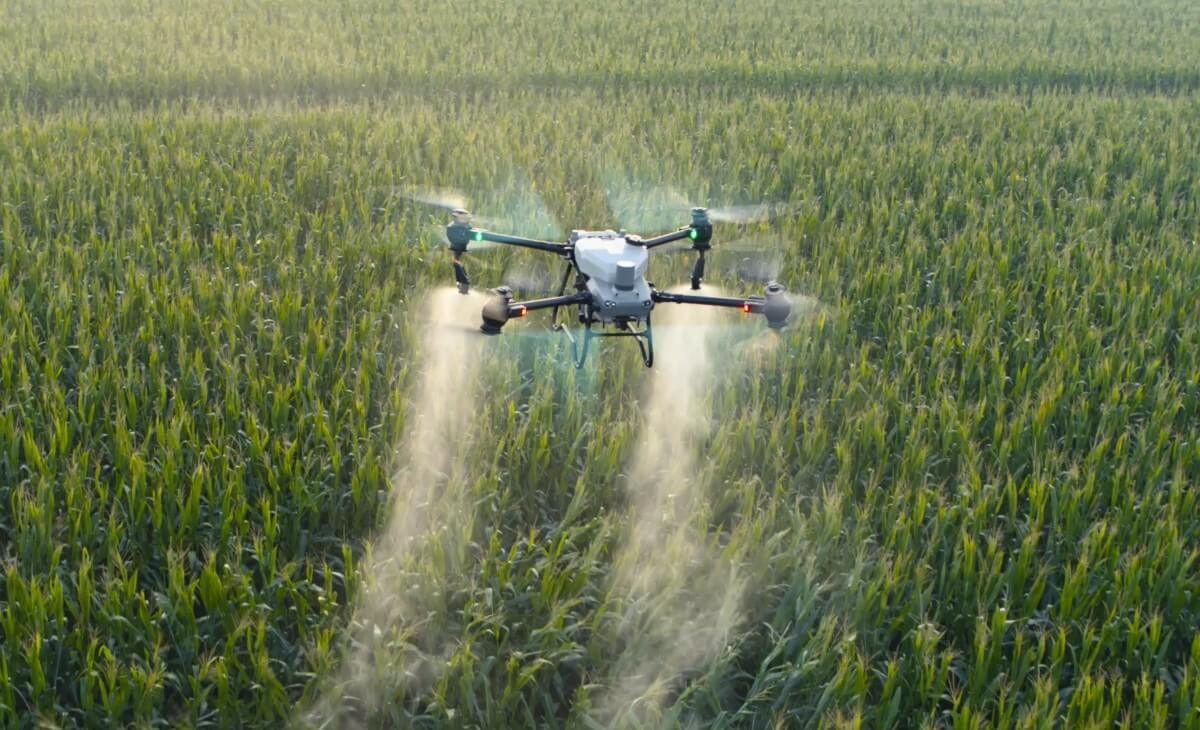
Window 1 — into the standing crop, before harvest. The drone flies over the canopy and drops seed through it, onto ground that is still shaded and holding moisture. This is the window that only aerial application can reach, and it is the reason most Central Alberta cover-crop flying happens when it does. The seed gets a head start of however many days remain before the combine, and it lands in a friendlier micro-climate than bare, sun-baked stubble.
The trade-off is that you are committing to the cover crop before you have harvested the cash crop, and heavy harvest traffic afterward will take a share of the stand.
Window 2 — onto stubble, immediately after harvest. The field is open, so you can see exactly what you are seeding into, and there is no harvest traffic still to come. The clock is the constraint: every day after the combine is a day of declining soil temperature and shrinking growing degree days. This window rewards being ready to go before harvest finishes, not booking the pass afterward.
The window that usually disappoints — late, on dry stubble, hoping for rain. Surface-broadcast seed with no soil contact, low soil temperature and little remaining season is the scenario that produces a thin stand and the conclusion that cover crops do not work. If the calendar has already gone, it is more honest to bank the acres for next year than to spend seed on them.
| Into standing crop | Onto stubble, right after harvest | |
|---|---|---|
| Ground access needed | None | None for the drone; field is open anyway |
| Moisture at landing | Shaded canopy, generally better | Exposed surface, leans on rain or dew |
| Remaining season | Longest | Shorter, and shrinking daily |
| Risk | Harvest traffic damages part of the stand | Runs out of growing days |
| Best when | Harvest is still a while out and you are committed to the practice | Harvest finished early and moisture is in the forecast |
Why the rate conversation is different. Seed flown on lands on the surface. It is not placed at depth and pressed into moisture the way a drill places it, so a larger share of it never becomes a plant. The industry answer to that is to raise the rate relative to a drilled equivalent — but the right number depends on the species, the seed lot, the residue on the surface, and what the field is actually being asked to do.
We are not going to publish a rate table and pretend it fits your field. Set the rate with your seed supplier or agronomist for the species and for surface broadcast specifically, and tell them it is being flown on rather than drilled. Then we calibrate the aircraft to that rate and pan-test the pattern so what you paid for goes out evenly.
What to keep for the file. If the acres are heading into a funding claim, the seeding pass is a documented event, not just a job. Keep the date, the field, the species and rate, and the georeferenced as-applied record of where product actually landed. That last one is the piece growers most often do not have, and it is generated automatically on a drone pass.
Key Dates
- Window 1:Into standing crop, before harvest — only aerial application reaches it
- Window 2:Onto stubble immediately after harvest — book before harvest ends, not after
- Rate:Set for surface broadcast with your agronomist, not copied from a drill rate
- OFCAF tie-in:Cover cropping is the practice OFCAF is built around
- Cost reference:$10–15/ac typical AB custom rate; ~$4.50/ac drone operating cost
How UAV AG Can Help
What UAV AG actually does on a cover-crop seeding job:
- →Calibrate and pan-test the spread pattern for your specific seed, so the stand comes up even rather than striped.
- →Fly the standing-crop window when it is still open, which no ground rig can do, and the wet post-harvest pass when the ground will not carry equipment.
- →Hand back a georeferenced as-applied map of where seed actually landed — the record a funding claim wants and most growers do not otherwise have.
- →Tell you when the window has closed. If the remaining season will not establish the stand, we would rather book you for next year than take money for seed that will not come up.
A Note From Us
The most common cover-crop disappointment we see is not a failed practice. It is a late one.
Seed flown onto dry stubble in the back half of the season, with the soil cooling and the season closing, produces a thin stand — and the grower reasonably concludes the whole idea does not work in Central Alberta. Flown into a standing crop a few weeks earlier, the same seed on the same field behaves completely differently.
So if you are thinking about it, the conversation to have is about your harvest timeline, not about the drone. Call before harvest rather than after, and we can tell you honestly whether the window is worth flying.
Frequently asked questions
When is the best time to fly cover-crop seed on in Central Alberta?
There are two windows worth flying. The first is into a standing crop before harvest, where seed lands in a shaded, moister canopy and gets the longest possible run at establishment — this is the window only aerial application can reach. The second is straight onto stubble immediately after harvest, which trades that head start for a clear view of the field. The window that usually disappoints is a late pass onto dry stubble with the season closing, because there are not enough growing days left to establish the stand.
Do I need a higher seeding rate when the seed is flown on?
Generally yes, relative to a drilled equivalent, because surface-broadcast seed is not placed at depth and pressed into moisture, so a larger share of it never becomes a plant. The right number depends on the species, the seed lot and the residue on the surface, so set it with your seed supplier or agronomist for surface broadcast specifically rather than reusing a drill rate. We calibrate the aircraft to whatever rate you decide on.
Can you seed a cover crop into a standing crop?
Yes, and it is one of the main reasons growers use a drone for this. The aircraft flies over the canopy and drops seed through it with no wheels on the field, so the cover crop starts before the combine arrives. No ground rig can do this once the crop is up.
What does a drone cover-crop seeding pass cost?
As a reference point, typical Alberta custom application runs $10 to $15 per acre, and a drone’s operating cost is around $4.50 per acre before aircraft and mobilization. What you actually pay depends on seeding rate, field logistics and mobilization — a short call with your acres, rate and location produces an accurate per-acre number.
Is flying cover-crop seed on legal in Canada?
Yes. Spreading dry granular product, including cover-crop and forage seed, is an established, legal drone service in Canada today. Seed is not a pesticide, so this sits well clear of the separate question of drone pesticide application, which is currently governed by the narrow interim pathway PMRA opened in June 2026.
What records should I keep if the acres go into a funding claim?
Keep the seeding date, the field, the species and rate, and a georeferenced as-applied record showing where product actually landed. The as-applied map is the piece growers most often cannot produce after the fact, and it is generated automatically on a drone pass.