September 16, 2026
Getting a Field Ready for a Drone Application Day
The wind lies down for a few hours and the aircraft either covers the acres or it does not. Almost everything that costs a crew that window gets decided days earlier, on the ground, by things that have nothing to do with the drone.
What It Is
An application day is short. The wind drops for a few hours, the product is sitting in the yard, and the aircraft either covers the acres inside that window or it does not. Very little of what decides that has anything to do with the drone.
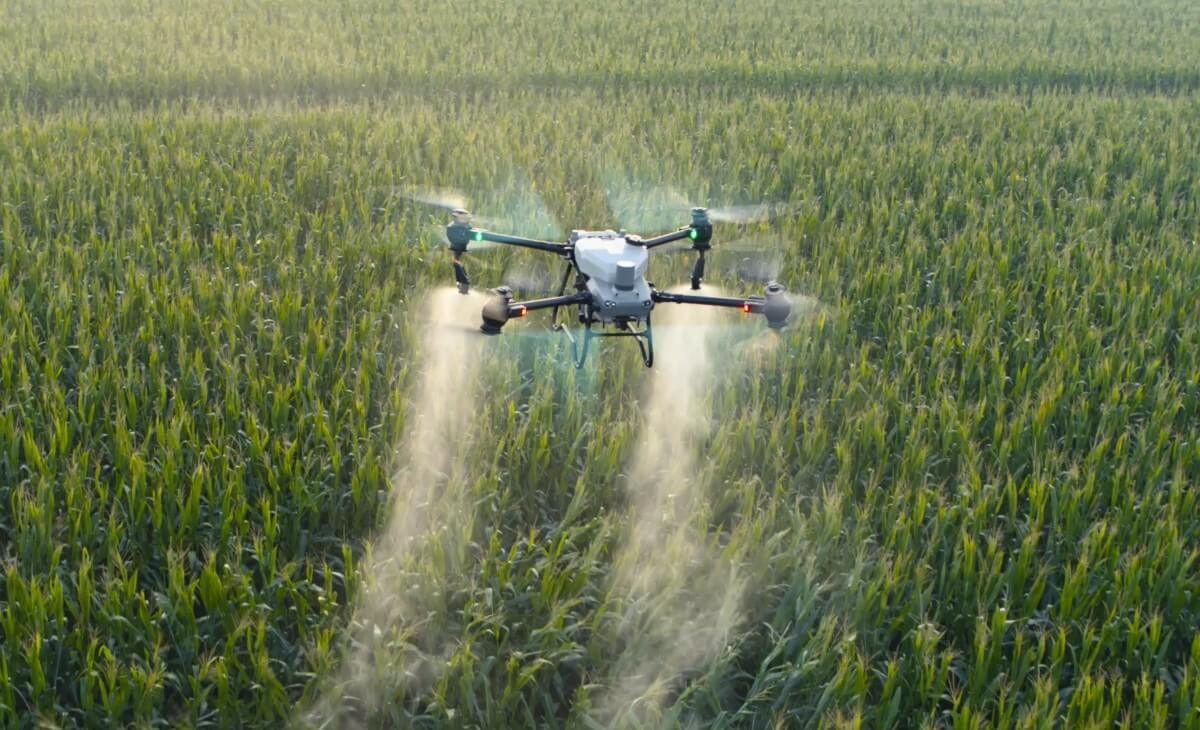
This is the ground-side preparation we walk through with a grower before a granular spreading or seeding pass: how the field gets reached, where product and batteries are staged, what is standing in the air above the crop, and which jobs belong to the farm rather than to the crew that shows up. Granular fertilizer and seed spreading is the everyday legal drone service in Canada today, so it is the pass most farms are booking, and it is the one this list is written for.
None of it is difficult. It is the difference between a crew that is flying at first light and a crew that spends the calmest two hours of the morning looking for a gate key.
Who It's For
Central Alberta grain and oilseed growers booking a custom drone pass for the first time, who want to know what is expected of them before the truck pulls in.
It is also for farms already running their own machine. The list does not change when the pilot is you. The obstacle walk, the staging point, and the second set of hands are the same requirements whether the aircraft is hired or owned, and they are the parts most often skipped on a farm’s own acres because everybody assumes everybody else knows.
If you are still deciding whether the pass is worth booking at all, the cost and comparison articles cover that question. This one assumes the decision is made and the date is on the calendar.
How It Works
Start with access, not with the field. The first question is not where the crop is. It is how a truck and trailer get to a spot beside it. A drone crew lands and reloads constantly, so the aircraft works out of a staging point rather than out of the yard, and ferry time between that point and the acres comes straight off the window. The staging point has to be reachable by a loaded truck, close to the work, and firm enough that nobody is getting pulled out of it.
A field approach a half-ton clears without thinking about it can still be the wrong answer for a loaded tandem. Sort out gates, keys, and locked approaches ahead of the day, along with which field exactly. Legal land descriptions plus a pinned location for the staging point remove an entire category of morning phone calls.
Walk the obstacles, including the ones you stopped seeing. Every field carries hazards the person who farms it stopped noticing years ago. The crew has never seen any of them.
- Powerlines and their guy wires, including the single-phase line running out to a pivot or a yard site
- Grain bins, bin yards, and legs sitting close to a headland
- Shelterbelts and lone trees, which matter more than their height suggests because of the air coming off them
- Pivots and their towers, and whether the pivot will be moving that day
- Sloughs, wet holes, and anything that changes where the swath actually needs to stop
- Occupied yards, neighbouring residences, roads, and the public road allowances the pass has to hold off from
An application pass is flown low and turns at the headlands constantly, so the hazards that matter are the ones at working height rather than the ones on a chart. The single most useful thing a grower can hand over is ten minutes of driving the perimeter with the pilot, pointing at things.
Stage the product where the aircraft can actually get at it. Granular work is refill-bound. Loads per acre is what sets flying time, so anything that slows a refill slows the entire day in proportion.
- Product on site and open, not arriving mid-morning on somebody else’s schedule
- Bulk bags or bins positioned so a loader or auger reaches them without repositioning
- Whatever moves product into the hopper ready to run, with the fuel to run it
- Clear, level, firm ground for takeoff, landing, and the batteries to sit on
- Nothing parked in the landing area, including the truck somebody will want to move later
Line up a second set of hands. An application pass is not a one-person job. Somebody has to keep product moving while the pilot flies. On a hired pass we bring our own crew, but the person who knows where the bins, the loader, and the water are is from the farm, and having them available for the first load is worth more than it sounds. If the field touches a busy approach or an occupied yard, somebody from the farm who can speak to a neighbour or a passerby saves the pilot from leaving the controls.
Agree the go and the no-go before the morning. Wind is the obvious one. A granular pattern is only the pattern that was pan-tested if the conditions resemble the conditions it was tested in, and the honest call on a marginal morning is to wait rather than to fly a spread that stripes.
Decide in advance who makes that call, what happens to the date if the answer is no, and how late the crew can start and still finish. A rain forecast that closes the window in the afternoon changes the answer to all three of those.
Who brings what
| Item | The farm | UAV AG |
|---|---|---|
| Field access, gates, and keys | Yes | |
| Legal land descriptions and field boundaries | Yes | |
| Local hazards and the obstacle walk | Yes | Flown and recorded |
| Product on site, open, and reachable | Yes | |
| Loader or auger and somebody to run it | Yes | |
| Aircraft, batteries, and charging | Yes | |
| Pilot certification, SFOC, and insurance | Yes | |
| Pan test and effective swath for the product | Yes | |
| Flight plan, boundaries, and exclusion zones | Yes | |
| As-applied coverage record | Yes |
Key Dates
- Book ahead:Before the window opens, not during it
- Field walk:Perimeter and obstacles with the pilot, ahead of the day
- Product on site:Open and reachable before the crew arrives
- Staging point:Firm, level, truck-accessible ground beside the acres
- Effective swath:Set from a pan test at the height flown
- Go or no-go call:Wind and weather, decided the morning of
How UAV AG Can Help
What the crew carries so the farm does not have to:
- →A pre-job call covering access, staging, obstacles, and product before anybody drives out, so the day opens with the aircraft in the air instead of with questions.
- →Transport Canada authorization and pilot certification for a dispensing operation, held by us rather than by you.
- →A pan test for your specific product and rate, so the effective swath is measured rather than assumed and the pass does not stripe.
- →Flight boundaries and exclusion zones built around the hazards walked with you, including yards, powerlines, pivots, and road allowances.
- →A georeferenced as-applied coverage record handed back after the pass, for your files and for any program documentation.
- →An honest go or no-go on a marginal morning, including the call to come back tomorrow.
A Note From Us
The preparation list exists because of how narrow the window is, not because the work is fussy. A granular pass tends to get booked precisely when the ground is too wet or the crop too tall for a floater, which means the available days were already few before wind was taken into account.
Nothing on this list costs money. It costs a phone call, a drive around the perimeter, and somebody deciding on Tuesday where the bulk bag is going to sit on Friday. Farms that do it get their acres covered in the calm hours. Farms that leave it to the morning find out the gate key is in the other truck.
If you want the specifics for your own fields, a short call with your acres, product, rate, and location is enough to build a plan against. For the wider picture, see granular vs liquid application and our fertilizer spreading service.
Frequently asked questions
What do I need to have ready before a drone spreading crew arrives?
Five things: a route in that a loaded truck can use with the gates unlocked, a firm level staging point beside the acres, product on site and open where a loader can reach it, ten minutes of your time to walk the obstacles with the pilot, and somebody from the farm available at least for the first load. Legal land descriptions and field boundaries sent ahead cover the paperwork side.
Where should the drone crew set up on my farm?
On firm, level ground beside the acres being treated, reachable by a loaded truck, with enough clear space for takeoff, landing, batteries, and the product. Close matters, because the aircraft reloads constantly and every minute spent flying to and from the staging point comes off the window. A spot that works for a half-ton in dry weather is not automatically the right answer for a loaded tandem.
What obstacles does the pilot need to know about?
Anything at working height. Powerlines and their guy wires including single-phase runs out to a pivot or yard site, bin yards and legs near a headland, shelterbelts and lone trees, pivots and whether they will be moving, and the occupied yards, residences, roads, and road allowances the pass has to hold off from. Sloughs and wet holes matter too, because they change where the swath needs to stop.
Do I need to supply people to help on the day?
On a hired pass we bring our own crew, so you are not expected to staff it. What helps is having somebody from the farm available for the first load, because they know where the bins, the loader, and the water are, and because a question answered in thirty seconds beats one answered by phone from the next quarter.
What conditions stop a granular drone pass?
Mainly wind, and the reason is the spread pattern rather than the aircraft. The effective swath is set from a pan test, and that tested pattern only holds if the conditions resemble what it was tested in. On a marginal morning the honest call is to wait rather than to fly a spread that stripes the field, which is why it is worth agreeing in advance who makes the call and what happens to the date.
Does the landowner need any licence or paperwork for a drone application?
Not as the landowner on a hired pass. A dispensing operation in Canada requires Transport Canada authorization, an SFOC naming the aircraft and pilots, and the appropriate RPAS pilot certification, and a custom operator carries all of it. It is fair to ask to see it. If you fly your own machine, that obligation is yours. Granular fertilizer and seed spreading is the established legal drone service; pesticide application sits under a separate and narrower interim pathway.